


The focus was on the distinctive soils of the Alps – and on how Austria can treat this precious common resource.
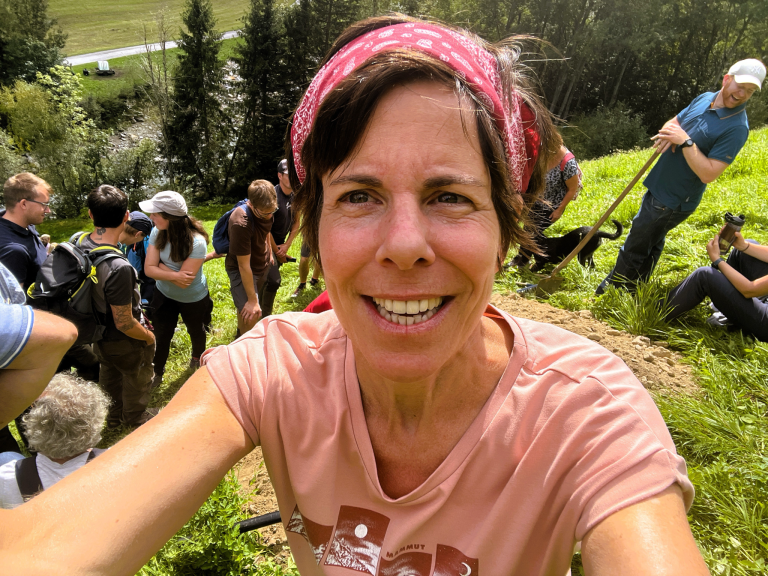
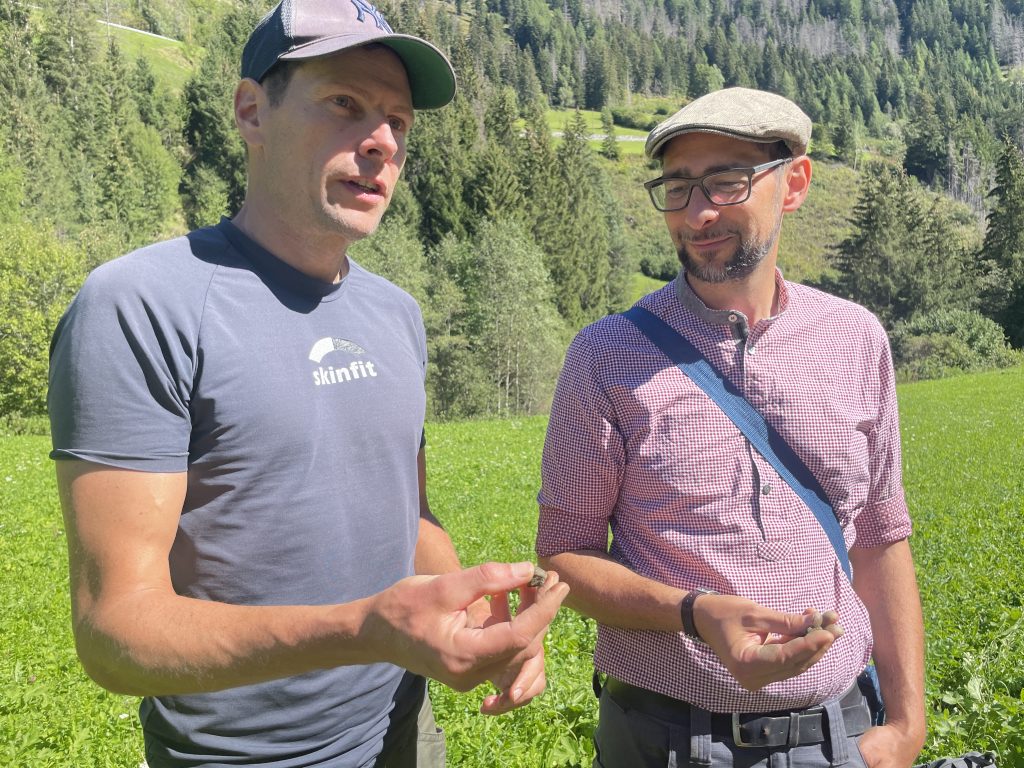
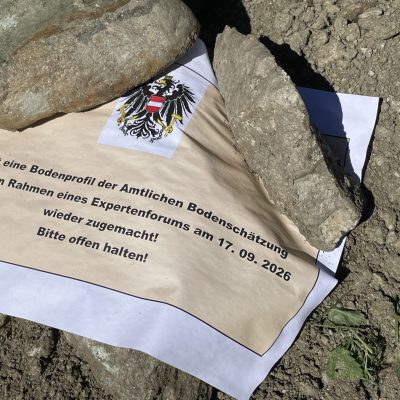
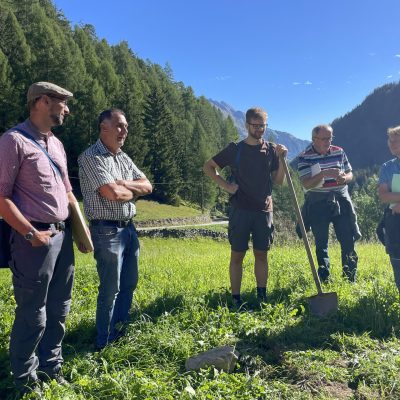
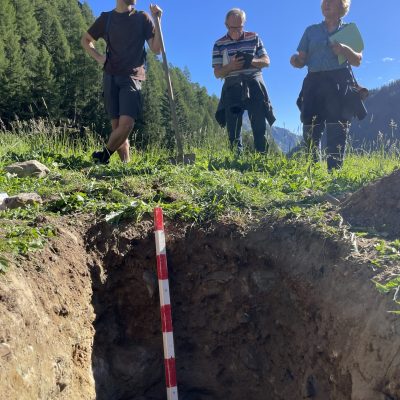
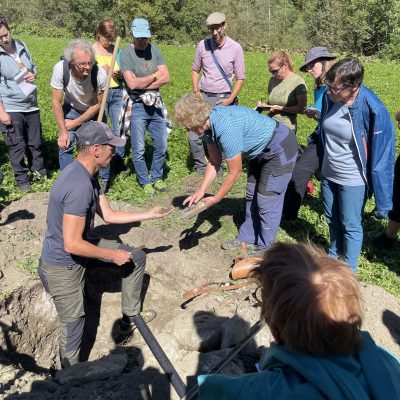
During a field excursion, participants examined soil profiles on site and analysed their own samples. Scientists, public administrators, farmers, tourism representatives and soil protection experts came together to exchange insights and ideas. Verena Ringler of AGORA took part in the forum and contributed to the panel discussion. Three ideas stood out for her.
1. See soil as a shared opportunity
European soil monitoring, restoration and the careful use of land are not only about protection. They can also be an opportunity for Austria – for sustainable agriculture, biodiversity and liveable regions.
Recent surveys show that there is broad public support for this agenda. According to the Austrian Environment Agency’s survey How Environmentally Conscious Is Austria?, published in May 2026, 82 percent of respondents actively support measures to reduce soil sealing. At the same time, protecting productive soils is increasingly seen as an urgent task in light of continued land consumption. Austria is currently consuming more than eleven hectares of land per day.
A survey conducted by the Market Institute on behalf of WWF Austria points in a similar direction: around 76 percent of the Austrian population – three out of four people – support stricter legal rules and a binding limit on the conversion and development of open land.
The figures make one thing clear: soil protection is not an issue for experts alone. There is broad public interest in how Austria manages soil, landscapes and its natural foundations of life.
That makes a factual and open debate all the more important – one that brings together different perspectives: those who work in and with agriculture, as well as citizens who value and experience soil, biodiversity and landscapes without dealing with them professionally every day.
2. Europe as a learning and innovation space
Austria does not have to reinvent the wheel. Other EU countries offer examples of how soil protection can be approached as a shared responsibility involving politics, public administration and society.
Ireland is an interesting case. There, environmental and agricultural policy are working constructively together, placing soil within a broader societal context.
The European perspective therefore matters. Looking beyond national borders can reveal different policy approaches, institutional models and experiences – as well as the forward-looking perspective of the EU itself.
Soil protection is a European issue. The challenges are similar even where regional conditions differ: land consumption, competing uses, food security, biodiversity, climate adaptation and the resilience of landscapes are all interconnected.
The European Green Deal and the EU’s Mission Soil provide important frameworks and opportunities for experimentation and innovation.
3. Stakeholder Communication and Systemic Change are key
At the forum, Verena Ringler also raised a practical question: how can the considerable expertise of soil scientists become more visible and effective in political and public debate – particularly at a time of budget constraints and ongoing questions around the EU’s Soil Monitoring Law?
Scientific knowledge alone does not change decisions. It needs to reach the places where political priorities are set, investments prepared and public debates shaped.
That means engaging directly with decision-makers and those who prepare decisions – in politics, public administration, the media and business. Especially among people in leadership positions, communication needs to make scientific findings accessible without stripping away their complexity.
Soil illustrates why this connection matters. Between the scientific analysis of a soil profile and a political decision about how a piece of land is used lie many steps. Dialogue between expertise, practice and politics can help connect those steps more effectively.
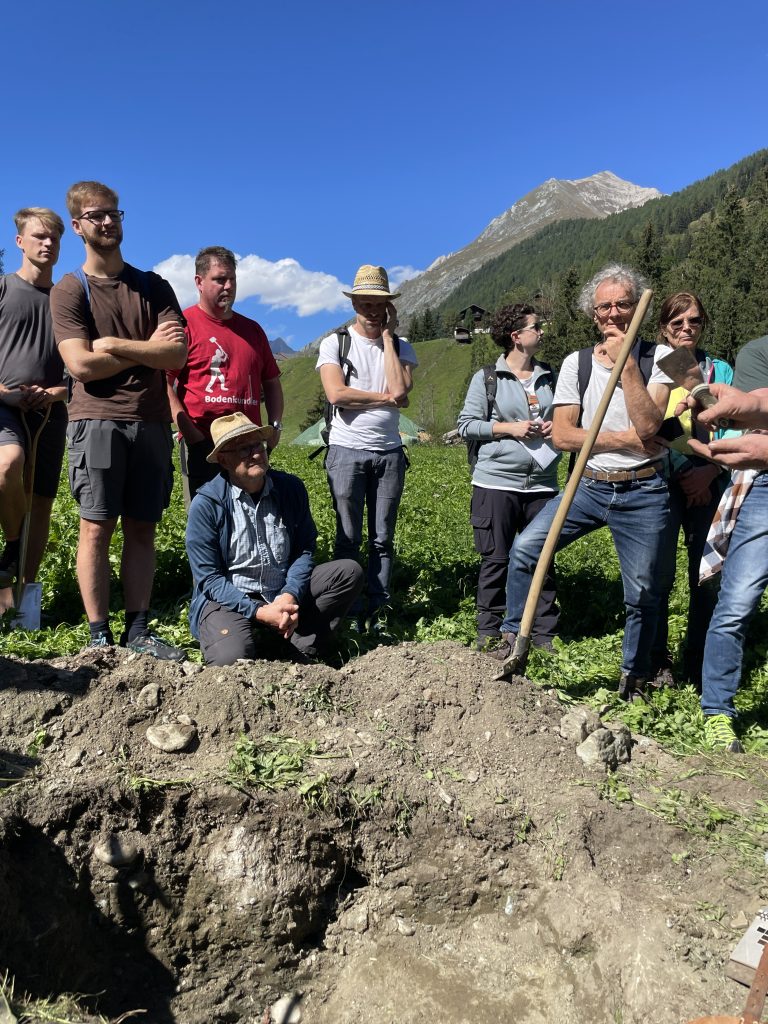
Austria has an impressive wealth of knowledge, experience and commitment when it comes to soil. The Soil Forum in Kals showed just how valuable it is when these perspectives come together – with curiosity, openness and a willingness to explore. Because ultimately, soil is not simply the ground beneath our feet. It is a foundation for agriculture, biodiversity, resilient landscapes and liveable regions – and last but not least: for our security and resilience.
Thank you for the valuable conversations and your important work
Elfi Hasler · Nadine Präg · Birgit Sattler · Sigrid Schwarz · Julia Seeber · Adelheid Spiegel · Monika Tulipan · Andreas Baumgarten · Wolfgang Friesl-Hanl · Hans-Peter Haslmayr · Julius Hecher · Christian Hopfensberger & Team · Thomas Peham · Martin Schiffhauer · Nico Stohandl & Team
Further reading:
Verena Ringler in the Austrian daily newspaper “Die Presse”: Heiße Eisen, Natur und Landwirtschaft
© Foto: AGORA