agora-logo-klein

You would like to reach our nonprofit organisation AGORA European Green Deal?

eu-logo-klein

You would like to reach our strategy consultancy European Commons?

Shaping the Future by building (infra)structures–Parcours in Carinthia

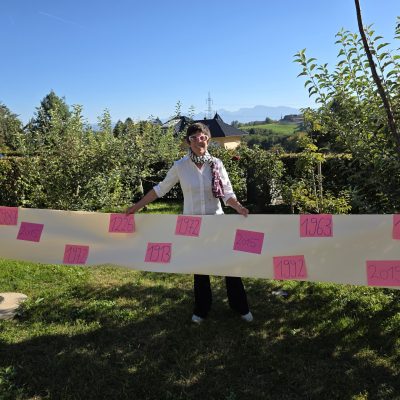
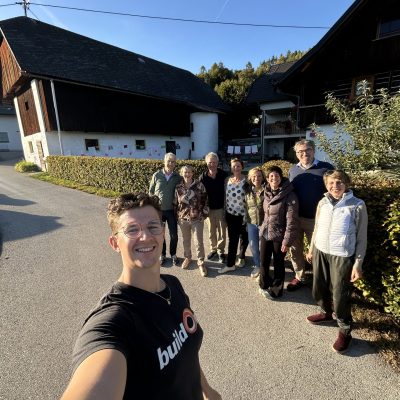
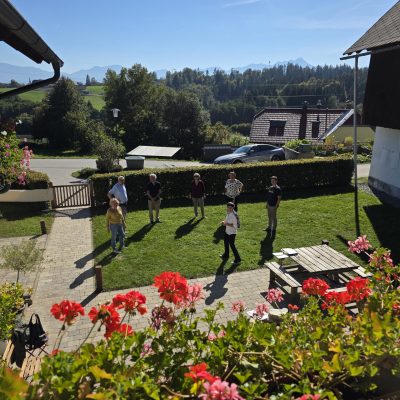
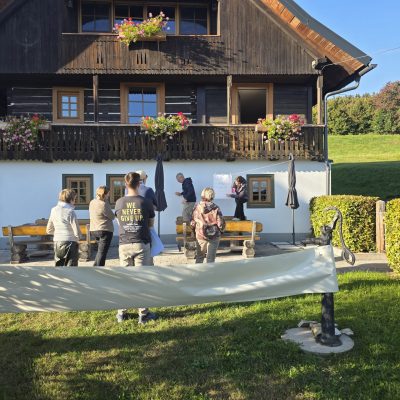
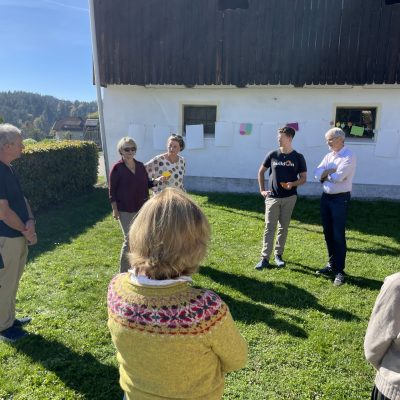
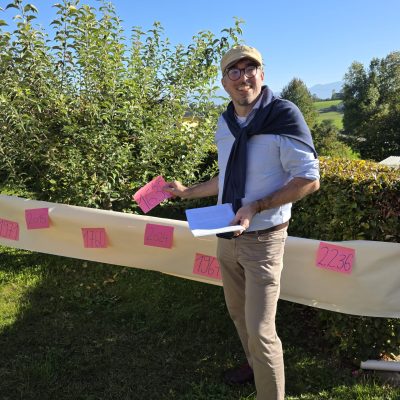
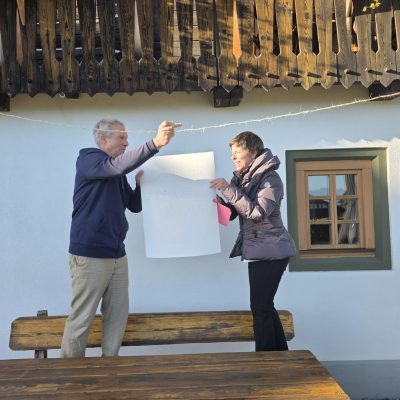
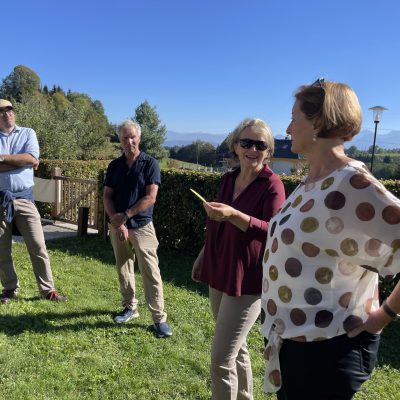
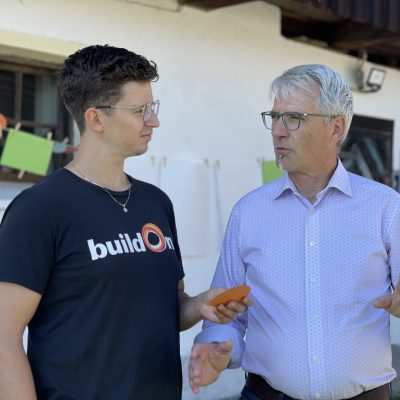
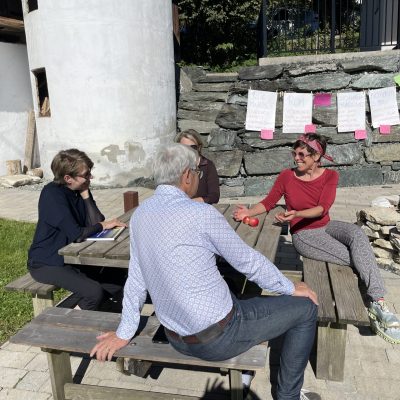
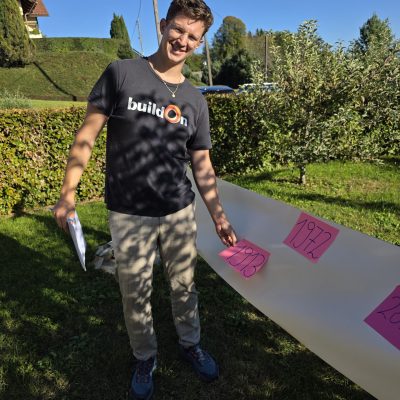
Dröschitz / Trešiče. A welcoming farmhouse. Hosts and guests speaking both German and Slovenian. More than twenty milestones and currents in cultural history, tracing humanity’s long-standing efforts to care for the planet and live sustainably. This was the festive opening weekend of a new place for encounter and transformation, near Velden am Wörthersee.

There have always been two camps. One was driven by greed, seeking to exploit the Earth, forests, bodies and the future itself. In 1492, Paulus Niavis brought Mother Earth before a court: plundered, wounded, violated.

And there has always been another camp: people determined to tread lightly, nurture and preserve ecosystems, and pass on the foundations of life to future generations.

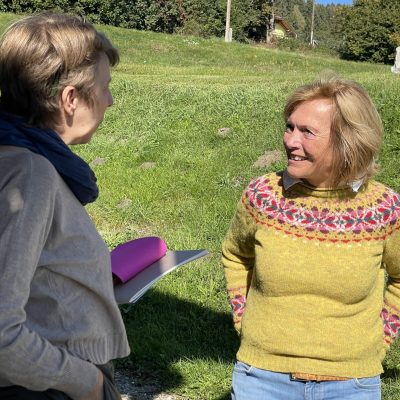
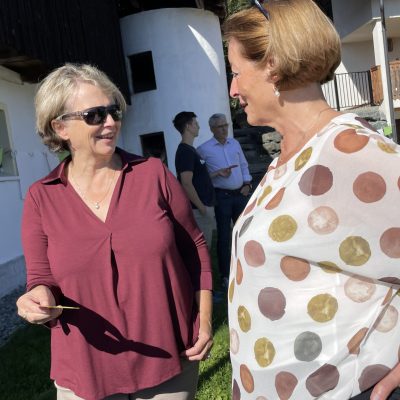
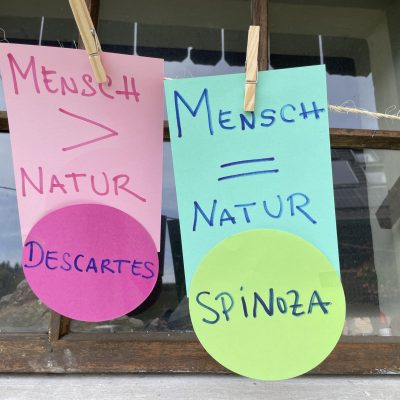
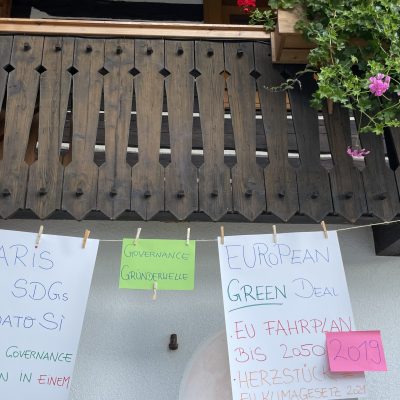
We explored this tension – at times outright confrontation – in a literal, open-air parcours. Our exceptionally perceptive guests brought their own stories, insights and lived experience of the German-Slovenian borderland to the conversation.

We traced the roots of these ideas.

1. Think globally, act locally.

The local is neither a niche nor an inferior place. It is where abstract ideas become tangible and alternatives become imaginable. Practise hands-on action, take it seriously, nurture it – and, wherever possible, organise it collectively.

2. Persevere and nurture hope, contact, trust. 

When a wave seems about to break over us, swim deep beneath it. Better still, swim together.

Looking back, we find that major upheavals have often been preceded by capillary networks: inconspicuous, persistent and interconnected. From the Spinozists to the people who gathered every Monday for years at Leipzig’s St Nicholas Church, before the Berlin Wall fell in 1989.

Resistance rarely begins with a roar. It begins in spaces that no one yet considers important

3. Whenever you have the influence to do so, build structures.

Build infrastructure wherever you can. Foundations, buildings, binding agreements, institutions that outlast the next news cycle. Foundations dedicated to the common good, in particular, have often proved resilient because they anchor responsibility across generations.

Building structures is painstaking, incremental work, much of it invisible. A long way from Instagram. And precisely for that reason, so effective.

What if the future has been imagined for far longer than we think?

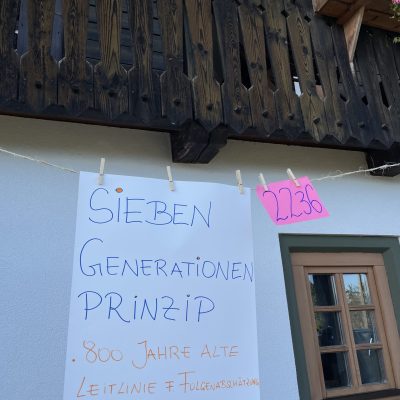
The Canticle of the Sun by Francis of Assisi, which addresses the sun, wind, water and earth as brothers and sisters, bequeathing to us an ecological manifesto some 800 years old.

Hemma of Gurk, who, around a thousand years ago, chose not to consume her wealth but to invest it in education and long-term endowments for forest management.

Rachel Carson, whose Silent Spring revealed how poison travels through food chains and what human actions lie behind the silence in the woods. It also reminds us how disastrous the silence of well-meaning but passive supporters can be.

And Angela Piskernik: botanist, the first Slovenian woman from Carinthia to earn a doctorate in the natural sciences, resistance fighter, Ravensbrück survivor and pioneer of transboundary nature conservation. Her vision of a nature park spanning the Karawanks lives on in the Karawanken UNESCO Global Geopark, the European Green Belt and the idea of European cooperation. Her story connects science, civic courage, women’s history and peace history with biodiversity.

Venice, too, has a story to tell: a city whose power and prosperity depended on timber, which appointed people to oversee its forests – yet ultimately learned that resource policy fails without the knowledge and involvement of local communities.

The Peace Palace in The Hague brings us back to Bertha von Suttner, international law, the Earth Charter and SDG 16. Without peace, justice and strong institutions, there can be no effective policy for our planet.

And the European Green Deal? It is by no means a bureaucratic monster. It is a far-sighted opportunity and a roadmap for European ecosystems, resilience and preventive security policy.

Our parcours was dense with ideas, yet lively and engaging. Three lessons emerged.

What if we become aware of our very own possibilities, here and now?

What participants took away from our parcours was more than a journey into history. It was a shift in perspective.

💡 Sustainability is not an invention of our time. Visionary ideas about how human beings can live with nature run through the centuries, often carried forward by courageous individuals – including many women who were ahead of their time.

🌱 Prepare the ground for light in dark times. Provocation and confrontation have always existed. So has the search for solutions. What matters is staying the course and developing ideas further, even when the work takes place for years in unassuming spaces.

✨ Those dismissed as dreamers are tomorrow’s pioneers. Visionary ideas are often underestimated. Yet they may be precisely what we need to safeguard the future of our world.

🎨 Culture moves people long before anything else changes. It acts like a seismograph, making connections and contradictions visible, opening up new perspectives and giving vital impetus to debates on social change and governance.

🌍 How can we translate this knowledge into the future today? Through a bioregional perspective on the Karawanks, for instance; through regional learning spaces and living labs; and through new forms of shared responsibility and collective financing.

A heartfelt thank you to everyone who joined us on this parcours and brought their curiosity, experience and ideas. Thank you for the evening before the opening with the remarkable philosopher, journalist and musician Sibyl Urbancic. Thank you to Verein Interferenzen for the invitation, and to author Ulrich Grober (oekom and Antje Kunstmann publishers) for his books and for the opportunity to carry his ideas forward.

Because those who build the structures for a different future help make that future possible.
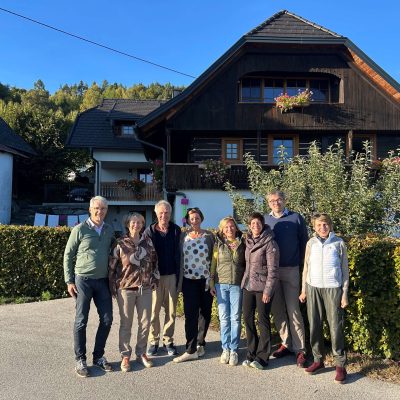
© Photos: Verein Interferenzen & AGORA European Green Deal

Wir wollen...

  •  das Biodiversitätswissen zu Allgemeinwissen machen. Dies erfordert systemische und strukturelle Arbeit in unseren Regionen und mit Gesprächspartnern in der EU sowie mit möglichen Partnern und Verbündeten. 
  • den gerechten Übergang stärken. Demokratie und Natur gehören zusammen gedacht. Das von uns vorgeschlagene Vehikel dafür ist ein „civic CERN“. Wir diskutieren und vertiefen diese Idee mit der Generaldirektorin des CERN im Jahr 2025. 
  •  den grünen Wandel der Region Bodensee präsentieren. Eine einzigartige Mischung aus Forschung, Technologie und Innovation (FTI) sowie kulturellen und kreativen Leuchttürmen machen die Region zu einem besonderen Schaufenster und einer Lernplattform im Rahmen des Programms „New European Bauhaus“ der Europäischen Union.

FASZINATION: LEADERSHIP

Verenas erste und frühe Laufbahn als Reporterin hat ihr Verständnis für Disruption und Veränderung stark geprägt. Am Ground Zero in New York, in der vom Krieg gezeichneten Stadt in Bosnien, im lawinengeplagten Alpendorf, am neuen Universitätsstandort in Südtadschikistan, auf dem Forschungsboot zum Weltklima am Baikalsee;—Verena in all diesen Situationen einen roten Faden. Umbrüche brächten überall auf der Welt dieselben, universelle Fragen zutage. Etwa: Was macht Führung aus? Wer taucht aus unscheinbaren Ecken auf, wenn Veränderung in der Luft liegt? Wer schafft es, Gemüter zu beruhigen, in die Zukunft zu blicken, Menschen mitzunehmen? Wer wagt es, Muster zu durchbrechen, über das Morgen zu sprechen? Wer ruft wen zusammen, wer öffnet Türen? Wer verfügt über einen ethischen Kompass?—Diesese Fragen haben Verena stark geprägt. Heute ist sie sich ihrer bewusst, wenn sie Lösungsansätze zu heißen Themen der Klimawende in Europa erarbeitet. Ihre Trainingstage für Führungskräfte hält Verena nun gerne unter einem handgeschriebenen Banner ab. Da steht das Mantra von Otto Scharmer von MIT: „Energie folgt Aufmerksamkeit.“
Hören Sie Verenas Rede beim 2023 Kulturforum des österreichischen Außenministeriums an

JOHNS HOPKINS UNIVERSITY – SAIS

Verena engagiert sich in der empirischen Sozialwissenschaft, der qualitativen Forschung und der akademischen Lehre. Ihre Studien an der School for Advanced International Studies der Johns Hopkins University (Bologna, Washington), den Universitäten Innsbruck und Wien und ihr Erasmus-Semester in Uppsala inspirieren ihre Arbeit bis heute. Leidenschaftlich lotet sie die nächsten Grenzen und Fragen im Bereich der internationalen Beziehungen aus. Wie etwa hier in der„Women in International Affairs“ -Vorlesung 2023 auf dem SAIS Europe Campus, hier im Buch Tipping Point Talks Volume 1 und Volume 2  Lesen Sie Verenas akademische Buch- und Zeitschriftenbeiträge bei Amsterdam University Press, Routledge, dem Journal of Futures Studies, Internationale Politik und anderen in Research Gate.

TEXTE UND TEDx

Die Zukunft Europas braucht Lobby und Stimme gleichermaßen. Deshalb will Verena die besonders leisen Stimmen verstärken und die besonders vielversprechenden multiplizieren. In diesem Sinne ergreift sie selbst oft das Wort in der Öffentlichkeit. Lesen oder hören Sie Verenas Ideen in 750 Vorträgen und Publikationen, von akademischen Buchbeiträgen bis hin zu Meinungsbeiträgen in traditionellen Medien und auf der TED-Bühne. Verena schöpft hier aus ihrer ersten Laufbahn im internationalen Magazinjournalismus: vier Jahre lang war sie Redaktionsmitglied bei Foreign Policy, Washington D.C., und sie veröffentlichte dutzende Reportagen aus den Balkanländern, aus Mittel- und Osteuropa und den Ländern der ehemaligen Sowjetunion in deutschen und internationalen Medien. Für einen Beitrag in der brand eins wurde Verena mit dem EU Young Journalist Award ausgezeichnet. Heute unterrichtet sie regelmäßig auf dem Campus der Austria Presse Agentur (APA). Hören Sie  Verenas aktuelle TEDx Rede.

Diplomatie Innovatorin

Verena denkt über Innovationen in der Diplomatie nach, derzeit als pro bono Fellow beim German Marshall Fund of the United States. Sie sagt, der Umbau von Wirtschaft und Gesellschaft hin zur Klimaneutralität sei nur zum Teil technisch zu lösen; hauptsächlich komme es hier auf Mensch und Gesellschaft an. Motto, “Klimawende braucht Wendediplomatie.” In diesem Sinne fordert sie Entscheider:innen in der EU auf, den Kontakt und Austausch mit ländlichen Regionen zu intensivieren. Sie plädiert dafür, den Werkzeugkasten der internationalen Diplomatie—insbesonderer der Versöhnungs- und Friedensdiplomatie—nun hier “zuhause”, in Europas Regionen, zur Anwendung zu bringen. Beim Schreiben und Sprechen belässt es Verena allerdings nicht; wann immer möglich, veranschaulicht und verankert sie ihre Ideen in der Praxis. Ihre Ideen schöpft sie aus ihren Erfahrungen in einem diplomatischen Team des Europäischen Rates im Kosovo von 2006 bis 2009 und aus der Zusammenarbeit mit dem Europäischen Auswärtigen Dienst (EAD), dem Club of Venice, der Europäischen Stabilitätsinitiative (ESI) und der Münchner Sicherheitskonferenz.

ZWISCHEN DORF UND HAUPTSTADT

Verena schätzt die konkreten Lebenswelten – abseits der Hauptstädte, oft im ländlichen Raum –genauso wie die politischen Zentren wie Brüssel oder Washington. Daher hat es sie zu ihrer Aufgabe gemacht, zwischen lokalen und internationalen Welten zu übersetzen und zu vermitteln. In beiden Arenen setzt sie Impulse und Veränderungen in Gang. Nehmen wir das Beispiel der EU-Biodiversitätsstrategie: Zunächst analysierte Verena die Chancen und Herausforderungen der Umsetzung. Dann diskutierte sie mit Regierungssprechern im Club of Venice und z.B. in Bologna mit Wissenschaftlern im Bereich internationale Beziehungen. In Wien wiederum begann sie, mit wichtigen Einflussgebern konkrete Ideen für die Debatte zum Bodenschutz auszuloten. Zu Hause in Innsbruck schließlich entwickelte sie Mitmach-Formate für die lokale Gesellschaft gemeinsam mit Biologinnen und Ökologen. Aus Anlass des „Ersten Neuen Europäischen Bauhausfestivals“ versammelte sie zudem Expert:innen und Vorreiter:innen auf einem Berggipfel- und vor der Kamera. Sie produzierte mit ihnen Kurzfilme zum Schatz des lebendigen Bodens und heimischen Saatguts.

Warum das alles? Und zu welchem Zweck? Verena möchte neue Knotenpunkte und Allianzen knüpfen für die Umsetzung des Green Deals und seiner Elemente, wie der Biodiversitätsstrategie.

GOVERNANCE PIONEERIN

Friedliche Durchbrüche in der Geschichte sind so gut wie immer das Ergebnis von Vorausschau, Trendspotting und Vorbereitungsarbeiten einzelner. Die meisten Pioniere arbeiten viele Jahre lang im Verborgenen und in kleinen Gruppen, bis ihre Idee endlich den Durchbruch erlebt. Denken wir etwa an die Friedensaktivistin Bertha von Suttner, den Erfinder des Roten Kreuzes Henri Dunant oder den Wegbereiter der europäischen Integration, Jean Monnet. Die Beharrlichkeit und Methoden dieser Größen sind es, die Verena im Konkreten inspirieren. Unermüdlich setzt sie sich für Mitmach-Formate und für proaktive Leadership in unserer Demokratie ein. Im Sinne von Vorbeugung und Vorsorge kann dies Staat und Steuerzahlern helfen, zu sparen. Denn Spaltung, Populismus, toxische Debatten oder auch einfach Entscheidungsabstinenz sind vor allem eines: teuer. Unvorstellbar teuer. Wie also geht demokratische Präventionsarbeit konkret? Verena zeigt dies anhand großer Praxisprojekte, die bisher meist von Stiftungen ermöglicht werden. Ihre Interventionen leiten sich stets aus der Zukunft ab. Die dazugehörigen Methoden sind einerseits jene der systemischen Arbeit, andererseits Praktiken wie Backcasting und Co-Creation, Foresight und Forethought.

FASCINATION: LEADERSHIP

Verena’s first career as a reporter has greatly shaped her understanding of communities and societies struck by disruption or change. From Ground Zero in New York to a war-torn Bosnian town, from an Alpine village struck by an avalanche to a new university location in South Tajikistan and a climate science boat on Lake Baikal, Verena detected a common thread. These events bring universal questions to the surface, like: What is leadership made of, who emerges from unassuming corners when change is in the air? Who manages to calm emotions, eye the future, take people with them? Who dares to break patterns and to talk about tomorrow? Who convenes whom, who opens doors? Who provides an ethic compass?— Fascinated and humbled by these questions, Verena now applies them to the hot topics of Europe’s green transition. She provides her leadership trainings under a hand-written banner with a mantra of MIT’s Otto Scharmer. It says,: „Energy follows attention.“
Listen to her 2023 speech at the Culture Forum of the Austrian Foreign Ministry.

JOHNS HOPKINS UNIVERSITY – SAIS

Verena engages passionately in empirical social science, qualitative research, and academic teaching. Her pursuit of European Studies at the Johns Hopkins University’s School for Advanced International Studies (Bologna, Washington), the universities of Innsbruck and Vienna, and her Erasmus semester in Uppsala inspire her work to this day. She enjoys to identify next frontiers and questions in the field of International Relations: watch her „Women in International Affairs“ Lecture 2023 at the SAIS Europe campus, read her Tipping Point Talks Volume 1 and Volume 2. Browse her book and journal contributions with Amsterdam University Press, Routledge, the Journal of Futures Studies, Internationale Politik, and others in Research Gate.

AUTHOR AND TEDx SPEAKER

Europe’s future needs a lobby and a voice. Hence Verena aims to amplify the voices that are underrepresented, and to multiply those that are promising. Read or listen to her ideas in 750 keynotes and stage talks and multimedia publications, from academic book contributions all the way to opinion pieces in the press and the TED stage. Verena draws on her first career in international magazine journalism, with four years as member of the editorial team of Foreign Policy, Washington D.C., and with many freelance contributions on the Balkans, Central and Eastern Europe, and the former Soviet Union countries in German and international media. For a piece in Germany’s brand eins magazine, Verena won an EU Young Journalist Award. Nowadays, she regularly teaches at the campus of the Austrian Press Agency. Watch Verena’s latest TEDx Talk.

DIPLOMACY INNOVATOR

Verena acts as diplomacy innovator and is currently a pro bono Fellow with the German Marshall Fund of the United States. She says the climate and nature transition is part technical work, yet mostly “people work”. In that vein, she calls for EU leaders to develop a body of “rural intelligence” and to adapt diplomacy’s international toolkit to the conflicts and change that societies face at home now, in the EU. Whenever possible, she showcases her ideas in practical pioneer projects on the ground. Verena draws her ideas from stints in a diplomatic team with the European Council in Kosovo from 2006-09, and collaborative experiences with the European External Action Service (EEAS), the Club of Venice, the European Stability Initiative (ESI), and the Munich Security Conference. Read her 2024 piece for the German Marshall Fund (GMUS).

Local and International

Verena combines a love for real world challenges and a place-based lense of analysis with a love for political centers and headquarters such as Brussels or Washington. She shuttles between local and international arenas, setting off systemic impulses and game changers in both. Take the example of the EU Biodiversity Strategy. First, Verena analysed the chances and challenges of implementation. She then went out to discuss with government spokespeople in the Club of Venice and international relations researchers in academia. In Vienna, in turn, she began to explore plausible ideas for the debate on soil care with opinion leaders. Finally, back home in Innsbruck, Verena devised practical projects for local society and biologists. She also convened soil experts and pioneers that had never been in one room together before, to broadcast a „Celebration on Soil, Seeds, and Senses“ to the audience of the „First New European Bauhaus Festival“.

Why all this, and to what end? Verena aims to weave new nodes and alliances for implementation of the Green Deal and its elements, such as the Biodiversity Strategy.

GOVERNANCE PIONEER

Peaceful breakthroughs in history happen due to anticipation, trendspotting, and preparations on the ground by individuals. Most pioneers operate behind the scenes for many years until their idea has its breakthrough moment. Think of peace activist Bertha von Suttner, of Red Cross inventor Henri Dunant, of European integration trailblazer Jean Monnet. Verena is inspired by the perseverance and the methodologies of these role models. She aims to work in this kind of spirit when promoting prevention and proactive leadership, in order to reduce the costs of populist policies, toxic debates, or inaction. The projects she devises and brings to life are often special projects enabled mostly by foundations. Verena’s interventions today are derived from the future. On the timeline inbetween lie exercises in Backcasting and Co-Creation, Foresight and Forethought.